A Cozy Start
Do you ever crave a warm cup that smells like a sunny morning and somehow fixes a cranky mood? I remember the first time I made this Lemon and Ginger Tea—my hands were clumsy from cold, I squeezed half the lemon into my eye (true story), and I still laughed because the scent made everything better. If you’re a beginner who worries about zesty citrus or fiddly fresh ginger, I promise this recipe is forgiving and stress-free. If you like experimenting with simple drinks, you might also enjoy my Ninja Slushi iced tea recipe for a chilled companion to this cozy cup.
A Quick Look at This Lemon and Ginger Tea Recipe
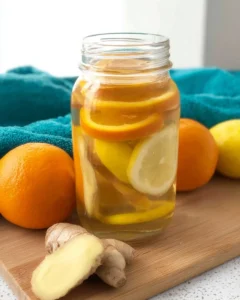
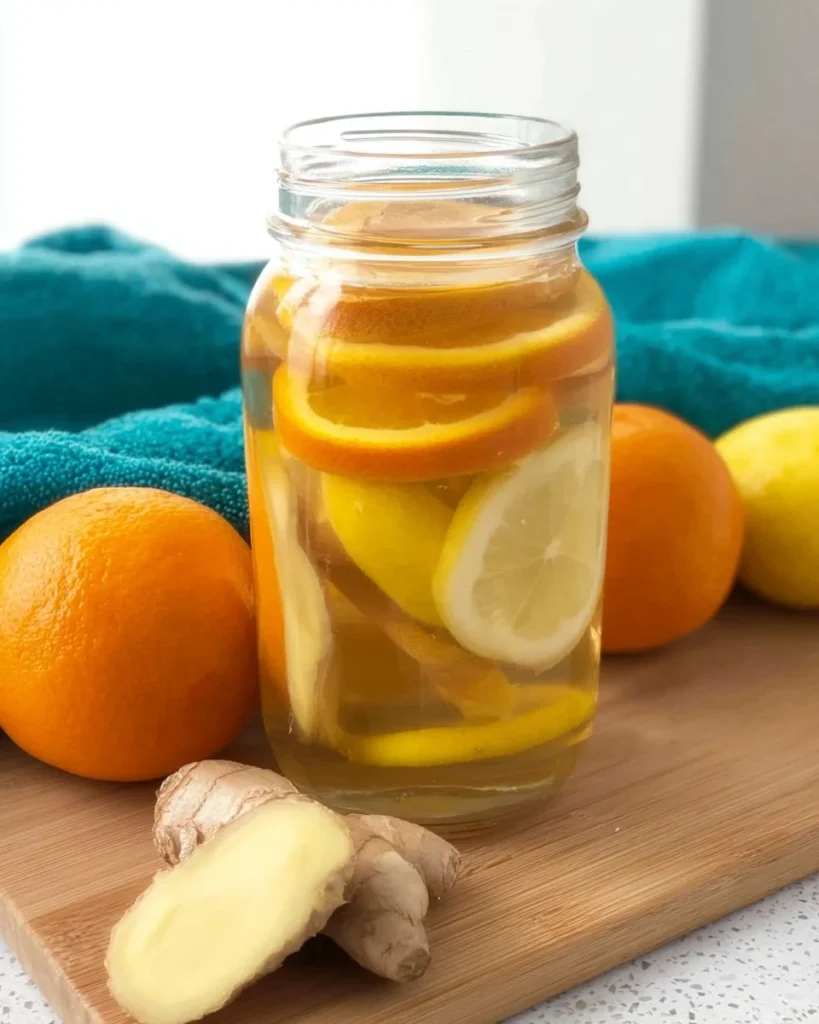
This Lemon and Ginger Tea centers on bright citrus (lemon and orange) and a small kick of fresh ginger. It’s comforting, hydrating, and full of vitamin C goodness—perfect for cold mornings or when you need something soothing. The recipe takes minutes: slice fruit, add chopped ginger, stir in a spoonful of honey, and pour hot water over everything. It’s excellent for home cooks and absolute beginners because there’s no steeping equipment or fancy timing required. Keep scrolling to see why this simple cup can become a daily little ritual.
Ingredients You’ll Need for Lemon and Ginger Tea
Below I break down what you need and why each ingredient matters. I’ll also share optional add-ons and quick substitutions so you can tailor this to what’s in your kitchen.
Essentials
- 1 large lemon — fresh lemon rounds bring tart brightness and natural vitamin C.
- 1 large orange — rounds add a softer, sweet citrus note that balances the lemon.
- 1 piece fresh ginger (about 1 to 2 teaspoons chopped) — gives warmth and a gentle peppery bite; add more if you love it spicy.
- 1 tablespoon honey — sweetens and smooths the drink; honey dissolves nicely in hot water and adds a cozy flavor.
- 710 ml hot water (about 3 cups) — hot enough to release citrus oils and ginger flavor, but not boiling on top for long.
Optional add-ons
- A cinnamon stick — for an autumnal twist and extra warmth.
- Fresh mint leaves — bright and cooling, great if you want a lift.
- A pinch of turmeric — earthy color and an anti-inflammatory boost.
- A thin slice of apple or pear — subtle sweetness and extra body.
- A dash of black pepper — if you add turmeric, pepper helps with absorption.
If you want inspiration for adapting drinks like this into something cold or slushy, I’ve tested some simple techniques in my Ninja Slushi iced tea recipe, which is great for summer variations.
Substitutions and shortcuts
- Lemon: If you don’t have a fresh lemon, 2 tablespoons of fresh lemon juice will work in a pinch. Bottled lemon juice is the least preferred but acceptable.
- Orange: Any sweet citrus—mandarin, tangerine, or clementine—can replace the orange.
- Ginger: Use 1/4 teaspoon ground ginger only if fresh isn’t available, but reduce the amount—ground ginger is more concentrated and has a different flavor profile.
- Honey: Swap for maple syrup, agave, or a mild simple syrup for a vegan option. Adjust sweetness to taste.
- Hot water: You can steep the ingredients in hot water in a kettle or pour boiling water from a teapot. The key is using freshly heated water.
- For faster prep: Grate the ginger instead of chopping; it releases flavor quickly and dissolves into the tea more evenly.
- Make-ahead: Prepare the citrus and ginger in a jar and refrigerate for up to 24 hours, then pour hot water when ready to drink.
If you’re curious about using different appliances or want a cold version, check my notes in the Ninja Slushi iced tea recipe for ideas that can inspire tweaks here.
How to Make Lemon and Ginger Tea Step-by-Step
I like to keep this process simple and cozy—no special tools needed. Here’s a friendly, step-by-step walkthrough for absolute beginners, with little tips I’ve learned from making this over and over.
Gather your equipment
- You’ll need a large glass jar, a heatproof bowl, or a small teapot that holds at least 3 cups (710 ml). A long spoon for stirring helps, and a kettle or pot to heat water.
Prepare the citrus
- Wash the lemon and orange under cool water to remove any wax or residue.
- Slice each fruit into thin rounds, about 1/4 inch thick. Thin slices release more juice and oils.
- Hold the lemon slice over your jar or bowl and squeeze gently before dropping it in. Do the same with the orange. This gives an immediate burst of fresh juice into the cup and helps flavor the water faster.
Add the ginger
- Peel the ginger with a spoon or small knife (the spoon works well for scraping off the skin).
- Chop finely into small pieces or grate for a stronger, quicker extraction of flavor. Aim for about 1 to 2 teaspoons chopped; start on the lower side if you’re ginger-shy.
- Add the ginger pieces to the jar with the citrus.
Sweeten with honey
- Add one tablespoon of honey to the jar. If you prefer less sweetness, start with 1/2 tablespoon and taste after steeping. If you’re vegan, substitute maple syrup or agave and stir well.
Heat the water
- Bring your water to a boil, then remove from the heat. Pouring boiling water directly over honey helps it dissolve, but letting it rest a few seconds after boiling is fine.
- Carefully pour the hot water into the jar over the citrus and ginger.
Stir and steep
- Use a long spoon to stir the mixture for 15–20 seconds. This helps the honey dissolve and distributes the citrus oils and ginger.
- Let the tea steep for at least 5–10 minutes. Taste it at 5 minutes; if you want a stronger ginger or citrus flavor, steep longer. I often let mine sit 10–15 minutes for maximum comfort.
Strain if desired
- You can drink it as-is with the fruit and ginger floating, or strain through a fine-mesh sieve into your mug. If you leave the fruit in, it continues to intensify the flavor if it cools slowly.
Finish and enjoy
- Give it one last stir, adjust sweetener if needed, and pour into a favorite mug. If you like, add a fresh sprig of mint or a cinnamon stick for garnish.
Tips from my kitchen:
- If the honey won’t dissolve completely, warm a tablespoon of water and dissolve the honey first, then add it to the jar before pouring in the rest of the hot water.
- To make a bigger batch for guests, double or triple the ingredients and use a teapot or heatproof pitcher. Keep the same proportions.
If you ever want a chilled or slushy take, my experiments in the Ninja Slushi iced tea recipe show how a few simple swaps can transform a hot brew into a refreshing cooler.
Common Mistakes to Avoid
Even simple recipes have little pitfalls. I’ve made my share of tweaks after a few too-tart cups or a ginger flood. Here are the most common mistakes and how to avoid them.
Mistake 1: Using too much ginger
Fresh ginger is potent. If you add too much, the tea can become spicy and sharp, which overpowers the citrus. Start with 1 teaspoon chopped and taste after steeping. You can always add more ginger next time.
Mistake 2: Not squeezing the citrus
If you don’t squeeze the lemon and orange before dropping them in, you miss out on a lot of immediate juice and essential oils. A quick squeeze releases more flavor and makes the tea taste fresher.
Mistake 3: Adding honey to boiling water without stirring
Honey dissolves best when given a little help. Pouring boiling water and walking away can leave clumps or uneven sweetness. Stir the jar right after adding the water to make sure the honey fully dissolves.
Serving Suggestions for Lemon and Ginger Tea
This tea is lovely on its own, but a few serving ideas can make it feel extra special. I like pairing it with simple foods and small rituals.
Start with one cozy note: serve the tea warm in a mug that feels good in your hands, maybe with a small snack or a book, and take a slow moment to savor it.
With a light breakfast
The citrus lift pairs beautifully with warm oats, toasted sourdough, or a plain yogurt bowl with granola. The ginger kick wakes up the palate without being overwhelming.
As an afternoon pick-me-up
Swap your usual sugary drink for this tea. It’s calming but invigorating and pairs well with a slice of banana bread or a small nutty cookie.
For cold or flu comfort
Serve with honey-soaked toast or a small spoonful of throat-soothing honey on the side. The warmth and citrus offer gentle comfort when you’re under the weather.
Variations and Personal Touches
I love how a small tweak can change the whole mood of this tea. Here are some variations I reach for depending on the season or my mood.
- Spiced autumn version: Add a cinnamon stick and a few cloves while steeping. Let it sit 10–15 minutes for a warming, baking-spice aroma.
- Mint and citrus refresher: Toss in a handful of fresh mint leaves right before serving for a bright, cool finish.
- Turmeric-boost: Add a tiny pinch (1/8 teaspoon) of ground turmeric and a dash of black pepper for an anti-inflammatory edge. The pepper helps with absorption.
- Iced citrus-ginger brew: Double the citrus and ginger, steep strong, cool to room temperature, then refrigerate and serve over ice with a splash of sparkling water.
I often experiment with textures—grating ginger rather than chopping gives a silkier mouthfeel, while chopped pieces are more rustic and bite-able.
Storage, Batch-Making, and Meal-Prep Tips
If you want to make more than one cup or keep some ready, here are practical tips to stretch this recipe over several days.
- Make-ahead concentrate: Use double the citrus and ginger with the same water volume, steep longer, then strain and refrigerate the concentrate. Mix one part concentrate with one part hot water when you serve.
- Refrigeration: Kept in a sealed jar, the tea will stay fresh 24–48 hours in the fridge. The citrus will infuse more, so expect stronger flavor over time.
- Reheating: Gently reheat on the stove or in the microwave; avoid boiling again—reheating too hot can degrade the bright citrus notes.
- Freezing citrus slices: If you often lose lemons or oranges, slice and freeze them in a zip-top bag. Drop frozen slices into hot water for a quick brew that chills the water less while releasing flavor.
Health Notes and Benefits
While I’m not a doctor, I do keep a cookbook of comforting, health-forward drinks. Lemon brings vitamin C and a refreshing tang. Ginger is known for settling tummies and adding anti-inflammatory warmth. Honey smooths the edges and soothes a sore throat. Together, they make a gentle, hydrating cup that’s perfect when you need small comfort. If you have specific health concerns or are pregnant, check with your healthcare provider about ginger intake.

Conclusion
This Lemon and Ginger Tea is easier than it looks, endlessly customizable, and perfectly beginner-approved—no special tools, no steeping gadgets, and forgiving measurements. Try brewing a cup tonight and tweak the ginger and honey to find your happy balance. If you like convenience and a reliable flavor, you might also enjoy premade options like Balance Grow Honey Citron and Ginger Tea for busy days when you want the same cozy flavor without the prep. When you make it, drop a note below or save the recipe for easy mornings.
##FAQs About Lemon and Ginger Tea
Q1: How long should I steep Lemon and Ginger Tea?
A1: I recommend steeping Lemon and Ginger Tea for at least 5–10 minutes. Five minutes gives a gentle flavor; 10–15 minutes intensifies the ginger and citrus. Taste as you go and adjust to your preference.
Q2: Can I make a cold version of Lemon and Ginger Tea?
A2: Yes. For a cold version, steep the tea a bit stronger, cool it to room temperature, then refrigerate and serve over ice. You can also mix the concentrate with sparkling water for a fizzy twist.
Q3: Is Lemon and Ginger Tea good for a sore throat?
A3: Many people find Lemon and Ginger Tea soothing for a sore throat. The warmth, honey, and citrus can ease irritation, and ginger has gentle anti-inflammatory qualities. If symptoms persist, consult a healthcare professional.
Q4: Can I sweeten Lemon and Ginger Tea without honey?
A4: Absolutely. Swap honey for maple syrup, agave, or a simple sugar syrup if you prefer. Start with less sweetener and add to taste.
Q5: How should I store leftover Lemon and Ginger Tea?
A5: Store leftover Lemon and Ginger Tea in a sealed jar in the refrigerator for 24–48 hours. The flavor will intensify over time, so you may want to dilute it with hot water when reheating.

Lemon and Ginger Tea
- Total Time: 15 minutes
- Yield: 2 servings 1x
- Diet: Vegetarian
Description
A soothing and vibrant tea made with fresh lemon, orange, and ginger, perfect for warming up on cold mornings.
Ingredients
- 1 large lemon, sliced
- 1 large orange, sliced
- 1 piece fresh ginger (about 1–2 teaspoons chopped)
- 1 tablespoon honey
- 710 ml hot water (about 3 cups)
- Optional: cinnamon stick, fresh mint leaves, pinch of turmeric, slice of apple or pear, dash of black pepper
Instructions
- Gather your equipment: a large glass jar, heatproof bowl, or small teapot that holds at least 3 cups.
- Wash the lemon and orange under cool water. Slice into thin rounds.
- Squeeze the lemon and orange slices over the jar to release juice, then add them.
- Peel and chop/grate the ginger, then add it to the jar.
- Add the honey to the jar.
- Heat your water to boil, remove from heat, and pour over the citrus and ginger.
- Stir the mixture for 15-20 seconds.
- Let steep for at least 5-10 minutes, longer for a stronger flavor.
- Strain if desired, adjust sweetness, and enjoy in a favorite mug.
Notes
For a stronger flavor, allow the tea to steep for longer. Experiment with different fruits and spices to customize.
- Prep Time: 10 minutes
- Cook Time: 5 minutes
- Category: Beverage
- Method: Brewing
- Cuisine: N/A
Nutrition
- Serving Size: 1 cup
- Calories: 120
- Sugar: 15g
- Sodium: 5mg
- Fat: 0g
- Saturated Fat: 0g
- Unsaturated Fat: 0g
- Trans Fat: 0g
- Carbohydrates: 31g
- Fiber: 1g
- Protein: 0g
- Cholesterol: 0mg
Keywords: lemon tea, ginger tea, hot beverage, cozy drink, vitamin C